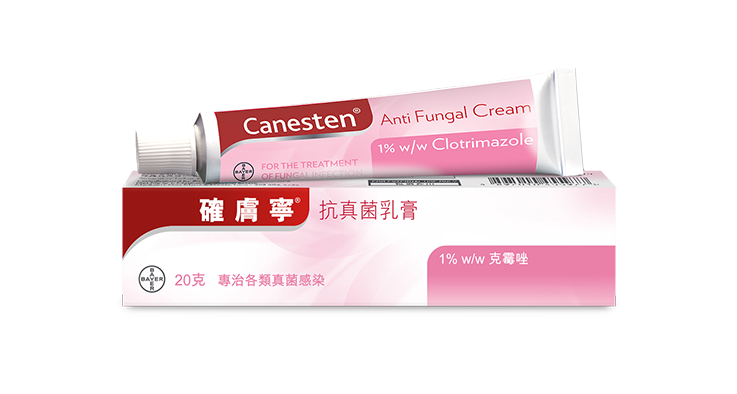
Women’s healthcare encompasses a wide range of medical, preventive, and educational services that focus on the unique health needs of women at every stage of life. One important aspect of women’s healthcare is managing infections, including fungal infections such as those caused by Candida species. Candida infections, often referred to as yeast infections, are common among women and can affect the skin, mouth, and genital areas. Proper awareness, early detection, and treatment with solutions like Candida ointment are essential for maintaining overall reproductive and sexual health.
Candida is a type of fungus that naturally exists in the human body, especially in areas such as the mouth, intestines, and vaginal tract 念珠菌藥膏. While it usually remains under control due to the immune system and natural microbiota, various factors can lead to an overgrowth, resulting in infection. Women are particularly susceptible to vaginal yeast infections due to hormonal fluctuations, pregnancy, antibiotics, and conditions such as diabetes. Symptoms often include itching, burning, redness, and abnormal discharge. Addressing these infections promptly is a critical part of women’s healthcare, as untreated infections can cause discomfort, affect daily life, and sometimes lead to more serious complications.
Candida ointment is a topical antifungal treatment commonly prescribed or recommended for localized Candida infections. The ointment works by directly targeting the fungal cells, disrupting their cell membranes, and preventing further growth. Its application is typically straightforward, making it convenient for women to use at home while following healthcare guidance. Many formulations are available over-the-counter, while others may require a prescription, depending on the severity of the infection. Proper usage involves applying a thin layer of the ointment to the affected area, usually once or twice daily for a recommended duration, which can range from a few days to two weeks. Following the full course of treatment is essential for preventing recurrence.
Beyond treatment, women’s healthcare emphasizes the importance of prevention and hygiene practices to reduce the risk of Candida infections. Wearing breathable cotton underwear, maintaining proper genital hygiene, avoiding excessive use of scented soaps or feminine sprays, and controlling blood sugar levels are all recommended preventive measures. Lifestyle choices, such as a balanced diet and stress management, also play a role, as these factors can influence immune system function and susceptibility to infections. Educating women about these preventive measures is an integral part of healthcare, enabling them to take proactive steps in maintaining vaginal and overall health.
Regular check-ups with healthcare providers are another cornerstone of women’s healthcare related to fungal infections. Women are encouraged to report symptoms promptly, as early diagnosis allows for effective treatment before complications arise. In some cases, recurrent Candida infections may indicate underlying conditions, such as hormonal imbalances or immune deficiencies, which require further medical evaluation. Healthcare professionals may conduct tests such as swabs or cultures to identify the exact strain of Candida and determine the most effective treatment. Personalized care plans, which may include Candida ointment, oral antifungal medications, or lifestyle adjustments, help ensure a comprehensive approach to women’s health.
Candida infections are not limited to the vaginal area; they can also affect other parts of the body, such as the skin and mouth. Oral thrush, a common Candida-related condition, can cause white patches in the mouth and throat, discomfort, and difficulty swallowing. In these cases, antifungal treatments similar to Candida ointment, such as gels or lozenges, may be recommended. Skin infections can occur in warm, moist areas like under the breasts or between skin folds, presenting with redness, itching, and irritation. Applying Candida ointment to these areas can alleviate symptoms and restore skin health. Understanding the versatility of antifungal treatments is an important part of comprehensive women’s healthcare.
Pregnancy presents a unique scenario in women’s healthcare concerning Candida infections. Hormonal changes during pregnancy can increase the likelihood of vaginal yeast infections, and careful management is required to protect both maternal and fetal health. While some medications may be restricted during pregnancy, certain formulations of Candida ointment are considered safe under medical supervision. Healthcare providers often recommend monitoring symptoms closely and maintaining optimal hygiene to prevent infections. Education about safe treatments and the importance of addressing infections promptly ensures that pregnant women receive appropriate care without unnecessary risks.
Another aspect of women’s healthcare related to Candida infections is the impact on sexual health. Infections can lead to discomfort during intercourse, affecting intimacy and emotional well-being. Open communication with partners, practicing safe sexual behaviors, and seeking timely treatment can minimize these effects. Candida ointment serves as an accessible solution for treating infections and restoring comfort, but addressing the emotional and relational aspects of women’s health is equally important. Comprehensive care integrates physical treatment with psychological support, emphasizing the holistic nature of women’s healthcare.
Emerging research continues to explore new methods for preventing and treating Candida infections in women. Probiotics, for example, have shown promise in maintaining healthy vaginal flora, potentially reducing the frequency of yeast infections. Advances in topical antifungal medications aim to improve efficacy, reduce side effects, and enhance convenience for daily use. Women’s healthcare providers increasingly focus on personalized treatment strategies, taking into account an individual’s medical history, lifestyle, and specific needs. Candida ointment remains a trusted and widely used tool within this evolving landscape, representing a balance of traditional and evidence-based approaches.
Education plays a central role in preventing and managing Candida infections. Public health campaigns, online resources, and healthcare consultations help women recognize symptoms early and understand treatment options. Understanding the importance of proper application of Candida ointment, completing the full course of treatment, and following preventive strategies empowers women to take control of their health. Knowledge about the factors that contribute to fungal infections, such as hormonal changes, antibiotics, or weakened immunity, allows women to make informed choices that support long-term wellness.